Thursday, March 18, 2010
I was telling a friend recently about a memory I have of my father helping me with a school project. My fifth-grade class had read 20,000 Leagues under the Sea, and my dad used his woodworking tools to carve a submarine. I painted it silver, and then I used yarn to fashion a giant squid, braiding each of its tentacles. I don't recall what my teachers or classmates said about the project, but I vividly recall the attention my dad paid me for those hours.
As a mom who works from home, I often feel guilty about the time I spend with my kids while I'm distracted. Yes, I'm here when they get home from school, but if I'm in the middle of a rush editing job, I'm not always able to close the laptop long enough to look each of them in the eye and ask, "How was your day?" and then, more importantly, to keep looking them in the eye while they answer. I know their memories of me as they walked in the door will be of me sitting in their line of sight, right here at the counter in the kitchen, typing away. I won't be the mom who had their snack ready and then sat with them at the table while they prattled away about recess politics and senseless homework assignments.
Could I quit working and be that mom. In theory, yes. But would it change my relationship with them? Make it stronger? Make them more well adjusted? No. I really don't believe it would.
My father and mother were busy all the time. All. The. Time. They owned their own business and each worked more than 40 hours a week and were tired when they got home, where still there was more to be done: cleaning, dinner, home repair, yard work. And I was busy, too: homework, piano practice, my own chores, a social life their own schedules couldn't afford them. I never thought to "miss" them, to wonder what my life would be like if my mom was more "milk and cookies" and my dad more "how are the boys treating you?" I was fine--completely fine.
I still am.
And I appreciate those memories of undivided attention I recall. I'm sure there were plenty I don't recall, too--ones I bet they do.
My guilt, I realize, isn't for my kids; it's for me. They'll remember I was here, just as I remember my parents were "there." They'll know I loved them, just as I know my parents loved me. If anything, my own children will remember me asking too many questions when I did have the time to pry. They'll remember me telling them to put on a different shirt or some deodorant or to write that thank-you note or to watch how they speak to each other.
And they'll remember, I hope, the moments of undivided attention I gave them. And I hope those memories will be as sweet to them as my memories of those moments will be . . . sweet, to me, but never enough.
Thursday, March 18, 2010


Friday, March 12, 2010
First crushes
Friday, March 12, 2010
My biggest crush in seventh and eighth grade was on a boy named Kevin (last name forever withheld to protect the innocent). I liked him for no other reason than that I thought he was cute.
When you're a 12- or 13-year-old girl, what other reason can there be? You don't (or didn't in "my" day) hang out with the boys at lunch. You don't shoot hoops in their driveway after school. You don't find yourself drawn to the fascinating and insightful comments he made in class about Lord of the Flies. You simply see him in the hall or sitting hunched over his desk and you think, "That's the one for me."
And then you stalk him.
I didn't exactly stalk Kevin. I just looked for him . . . and watched him and put his initials on my legs using stickers when I lay out in the sun. And I called him. Once.
His mother answered the phone and told me, quite, uh, forcefully, that girls should never call boys. I don't even recall if he came to the phone after that or if I hung up, mortified and humiliated.
He did, however, become my boyfriend for about two glorious weeks, during which time I saw him outside of school once. He came to a friend's party to say hi after a baseball game, and all I remember is how much he smelled like a boy: sweaty and gross.
A few days later, he went back to his old girlfriend and I moved on to my next target, er, crush.
Looking back, I don't know if I can call any of my early-teen crushes 'crushes.' I think obsessions is the more truthful word here if we're being truthful--and since it's been 20-some years since then, I think I'm okay with being truthful.
See, (being truthful again) once you actually do sit by that boy in lunch or shoot hoops in his driveway or listen to him speak up in class, you get over the 'crush' about 99% of the time. "He talks with his mouth full of food? Disgusting." "He stinks when he sweats? Nasty." "He didn't understand that the conch shell represented civilization and order? Please." That's how life goes. Most things look better from a distance and are more appealing in theory than in actuality. The only two things that are better are staying in love with the person you fell in love with, and being a parent.
My oldest is 13 now, and he's hit the stage where the girls are calling him . . . and texting him and hanging outside our house on a Saturday night hoping to catch a glimpse of him. And they're crying when he gets his hair cut. And he's clueless. I don't mean he's humble, because humility implies overcoming pride. I'm saying he's seriously clueless.
Over the course of four days recently, he received (primarily) and sent (well more than a handful) a total of 615 text messages to several girls (all of them friends with each other). My husband and I had to have a little pow-wow with him and explain the concept of limited texting and massive overages and college funds.
He got it. He understood. Since this little pow-wow three nights ago, he's sent one text (I keep a close watch on the account now). He's a good kid who, even at 13, doesn't want to upset his parents. Or upset them too much, anyway.
More than having a little chat with him, however, I wanted to have a little chat with the girls--and not the kind of "chat" Kevin's mom had with me. What I wanted to say was, "Sweeties, he stinks when he sweats, and sometimes he talks with his mouth full, and he hated Lord of the Flies."
I absolutely believe my son is wonderful and smart and funny and good-looking and kind. But he'll get even better with age.
And so will the girls.
My biggest crush in seventh and eighth grade was on a boy named Kevin (last name forever withheld to protect the innocent). I liked him for no other reason than that I thought he was cute.
When you're a 12- or 13-year-old girl, what other reason can there be? You don't (or didn't in "my" day) hang out with the boys at lunch. You don't shoot hoops in their driveway after school. You don't find yourself drawn to the fascinating and insightful comments he made in class about Lord of the Flies. You simply see him in the hall or sitting hunched over his desk and you think, "That's the one for me."
And then you stalk him.
I didn't exactly stalk Kevin. I just looked for him . . . and watched him and put his initials on my legs using stickers when I lay out in the sun. And I called him. Once.
His mother answered the phone and told me, quite, uh, forcefully, that girls should never call boys. I don't even recall if he came to the phone after that or if I hung up, mortified and humiliated.
He did, however, become my boyfriend for about two glorious weeks, during which time I saw him outside of school once. He came to a friend's party to say hi after a baseball game, and all I remember is how much he smelled like a boy: sweaty and gross.
A few days later, he went back to his old girlfriend and I moved on to my next target, er, crush.
Looking back, I don't know if I can call any of my early-teen crushes 'crushes.' I think obsessions is the more truthful word here if we're being truthful--and since it's been 20-some years since then, I think I'm okay with being truthful.
See, (being truthful again) once you actually do sit by that boy in lunch or shoot hoops in his driveway or listen to him speak up in class, you get over the 'crush' about 99% of the time. "He talks with his mouth full of food? Disgusting." "He stinks when he sweats? Nasty." "He didn't understand that the conch shell represented civilization and order? Please." That's how life goes. Most things look better from a distance and are more appealing in theory than in actuality. The only two things that are better are staying in love with the person you fell in love with, and being a parent.
My oldest is 13 now, and he's hit the stage where the girls are calling him . . . and texting him and hanging outside our house on a Saturday night hoping to catch a glimpse of him. And they're crying when he gets his hair cut. And he's clueless. I don't mean he's humble, because humility implies overcoming pride. I'm saying he's seriously clueless.
Over the course of four days recently, he received (primarily) and sent (well more than a handful) a total of 615 text messages to several girls (all of them friends with each other). My husband and I had to have a little pow-wow with him and explain the concept of limited texting and massive overages and college funds.
He got it. He understood. Since this little pow-wow three nights ago, he's sent one text (I keep a close watch on the account now). He's a good kid who, even at 13, doesn't want to upset his parents. Or upset them too much, anyway.
More than having a little chat with him, however, I wanted to have a little chat with the girls--and not the kind of "chat" Kevin's mom had with me. What I wanted to say was, "Sweeties, he stinks when he sweats, and sometimes he talks with his mouth full, and he hated Lord of the Flies."
I absolutely believe my son is wonderful and smart and funny and good-looking and kind. But he'll get even better with age.
And so will the girls.
Tuesday, March 9, 2010
Is that your real voice?
Tuesday, March 9, 2010

I worked as a campus switchboard operator in college. We were never allowed to give our names out, only our employee numbers. So I was surprised the first time someone called and knew who I was. "How did you know?" I asked. "Because I know your voice." This was a guy I hadn't spoken to in more than two years, and we'd only been casual acquaintances in the first place.
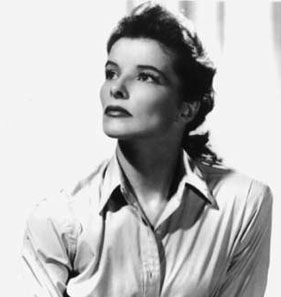
Around this time, I made a phone call to a friend. His roommate answered the phone and then called out, "It's for you! It's Bobbie!" When my friend came to the phone, I asked how his roommate knew. The roommate's answer? "Because she sounds like a young Katherine Hepburn."
Since college, I've had people ask me all the time what's wrong with my voice. Almost ten years ago, one guy I'd barely just met kept insisting, "No, really, what's wrong with it?" every time I told him, "Nothing. This is my voice." He wouldn't let it go. We were at a dance, and the music was loud, and I'd been talking all night, so it was more strained than usual, but it was still mine. Nothing was wrong with it. Nothing.
I dropped my son off at preschool today and one of his teachers said, "It sounds like you're coming down with something." "Nope," I said. "This is my voice."
sigh.
I'm about 24,000 words into Basement Princess, my current manuscript, or my WIP for you other writer types out there. And it's my first foray into paranormal romance. My previous stories have been young adult (if you don't count my first manuscript, and please, don't count my first one). My talented and wonderful crit partner Brigid Kemmerer told me before I started BP that maybe I should be writing for adults instead of young adults. She quoted from a blog post over at Uncreated Conscience:
There is a YA voice and an adult one, and even if stories overlap, the adult voice has a sense of scope. What makes YA compelling as a read is its immediacy; a young person cannot write of him/herself from any perspective aside from “now” and “later”. With a YA voice, the past is less present, the present looms like a storm, and the future ever just out of reach. With an adult voice, there is a sense that the future has come to pass, the past is present, and the present encompasses all that has been and all that will be.
Brigid pointed out that perhaps my voice was more suited to adult fiction. (She said it much better and much more flattering than that, which is why I love her so much.)
And I'm believing her, because BP feels right and natural and I'm enjoying writing it more than I've ever enjoyed writing before.
I've never had an agent tell me my voice wasn't believable. I haven't had one say over and over, "No, really, what's wrong with it?" So I don't think the issue is believability. I think the issue is whether I can tell the story that suits my voice rather than suit my voice to the story. It's the latter than can strain it.
Or, as Katherine Hepburn said, "If you always do what interests you, at least one person is pleased." Simply be authentic.
And now off to my writing--and to add "The Philadelphia Story" to my Blockbuster queue.
*black and white studio headshot from Long Day's Journey Into Night, 1961
I worked as a campus switchboard operator in college. We were never allowed to give our names out, only our employee numbers. So I was surprised the first time someone called and knew who I was. "How did you know?" I asked. "Because I know your voice." This was a guy I hadn't spoken to in more than two years, and we'd only been casual acquaintances in the first place.
Around this time, I made a phone call to a friend. His roommate answered the phone and then called out, "It's for you! It's Bobbie!" When my friend came to the phone, I asked how his roommate knew. The roommate's answer? "Because she sounds like a young Katherine Hepburn."
Since college, I've had people ask me all the time what's wrong with my voice. Almost ten years ago, one guy I'd barely just met kept insisting, "No, really, what's wrong with it?" every time I told him, "Nothing. This is my voice." He wouldn't let it go. We were at a dance, and the music was loud, and I'd been talking all night, so it was more strained than usual, but it was still mine. Nothing was wrong with it. Nothing.
I dropped my son off at preschool today and one of his teachers said, "It sounds like you're coming down with something." "Nope," I said. "This is my voice."
sigh.
I'm about 24,000 words into Basement Princess, my current manuscript, or my WIP for you other writer types out there. And it's my first foray into paranormal romance. My previous stories have been young adult (if you don't count my first manuscript, and please, don't count my first one). My talented and wonderful crit partner Brigid Kemmerer told me before I started BP that maybe I should be writing for adults instead of young adults. She quoted from a blog post over at Uncreated Conscience:
There is a YA voice and an adult one, and even if stories overlap, the adult voice has a sense of scope. What makes YA compelling as a read is its immediacy; a young person cannot write of him/herself from any perspective aside from “now” and “later”. With a YA voice, the past is less present, the present looms like a storm, and the future ever just out of reach. With an adult voice, there is a sense that the future has come to pass, the past is present, and the present encompasses all that has been and all that will be.
Brigid pointed out that perhaps my voice was more suited to adult fiction. (She said it much better and much more flattering than that, which is why I love her so much.)
And I'm believing her, because BP feels right and natural and I'm enjoying writing it more than I've ever enjoyed writing before.
I've never had an agent tell me my voice wasn't believable. I haven't had one say over and over, "No, really, what's wrong with it?" So I don't think the issue is believability. I think the issue is whether I can tell the story that suits my voice rather than suit my voice to the story. It's the latter than can strain it.
Or, as Katherine Hepburn said, "If you always do what interests you, at least one person is pleased." Simply be authentic.
And now off to my writing--and to add "The Philadelphia Story" to my Blockbuster queue.
*black and white studio headshot from Long Day's Journey Into Night, 1961
Saturday, March 6, 2010
Get to the point
Saturday, March 6, 2010
I was in the mood for popcorn last night, and since I don't like the microwaved kind, that meant making my own (stovetop with a little oil and a lot of butter and salt). But since it's a bit of a production, I always feel like popcorn requires an accompanying event: a dvd, the label "dinner," the "So You Think You Can Dance" finale.
So we rented "G.I. Joe" to watch with the older two boys, and then sat down with the popcorn and cheese and diet 7-Up.
And I fell asleep at the big action scene toward the end.
"Get to the point, already!" Right?
I know I ramble. I know I talk a lot. I know I have a story to preface every story. I had a roommate in college who asked me a question and then interrupted me before I could finish answering it. When I called her on it, she said, "I know. But you just take so long." I know. I do. I do.
I've gotten better at avoiding segues and non-sequiturs in conversation. But I like stories--not just my own but other people's. I was fascinated by an old friend of Ron's who came to dinner a couple of months ago and told us about problems he'd been having for years with his vision that had been misdiagnosed since he was a child. It had become debilitating, causing physical pain throughout his entire body that left him lying on the floor in his office some days, unable even to function. And then he met a doctor who told him he "simply" needed to relearn how to see. He now has his life back. I like stories! And everyone has them. Everyone has experienced something I haven't. Lots of somethings, in fact. I mean real stories, stories that changed them, stories that taught them, stories that are worth telling and worth being heard.
While I was watching the movie last night, I was bothered by more than the cliche writing. I was bothered by how the screenwriter didn't let me know the characters' stories. Sure, he had a lot of awkward flashbacks, but none of them got to the point. They didn't tell me anything about the character. They stopped mid-story and then we were back in the present again, wondering how Ana had become such a thoroughly detestable person. I hated her. Bad guys don't have to be likable, but they have to be presentable. She was neither.
When the writer finally got to "the point" and finished telling us the story, I didn't care anymore. She wasn't sympathetic, even knowing her memories had been stolen and her mind controlled by the brother she thought was dead. It. Didn't. Matter. There was no time left to root for her . . . and I was nearly asleep from an overload of salty popcorn and soda.
But I couldn't root for the good guy either. Duke loved Ana and couldn't kill her even when she was trying to blow him up in a hundred different ways. He didn't need her back story, which ended up making him unsympathetic as well. He was the good guy, but I didn't end up caring who won the final battle. I mean, how can you cheer on a guy who loves someone for no reason at all except that he used to love her? That doesn't make him heroic or chivalrous or romantic. It makes him a little sick.
I read a suspense novel recently by Bill Cameron called Lost Dog. I don't generally read much suspense, but I've been following the author on Twitter because he makes me laugh. So I figured I should give one of his books a shot. Once I got into it, I couldn't put it down. The main character was far from perfect, but I understood him. And the villain? I cried at the end because I understood him, too. I never rooted for him; that's not the point of creating a sympathetic antagonist. But I did ache for him. He was real and human and had a story that was there almost from the beginning. Cameron didn't wait until he was nine tenths of the way through the book to say, "Oh, by the way. Here's why this guy has done this."
A few days ago, I read My Name Is Mary Sutter. It doesn't come out until May, but put it on your reading list now. It's the story of a midwife during the Civil War who wants to be a surgeon. I don't remember the last time I read a story whose main character was so . . . tangible. Again, she wasn't perfect, but she was one of those characters that you just wanted to succeed--that you liked and admired and wanted to meet from page one.
Every character--good or bad, main or minor--needs a story in order for us to be engaged in the larger story. Your readers like stories. That's why they're called readers. And you can't wait too long to get to the point. Otherwise, the reader's going to interrupt you with a heavy sigh and "I know. But you just take so long." Or she's going to fall asleep and figure it's not worth rewinding to what she missed, because, really, she didn't miss anything at all. The writer did.
I was in the mood for popcorn last night, and since I don't like the microwaved kind, that meant making my own (stovetop with a little oil and a lot of butter and salt). But since it's a bit of a production, I always feel like popcorn requires an accompanying event: a dvd, the label "dinner," the "So You Think You Can Dance" finale.
So we rented "G.I. Joe" to watch with the older two boys, and then sat down with the popcorn and cheese and diet 7-Up.
And I fell asleep at the big action scene toward the end.
"Get to the point, already!" Right?
I know I ramble. I know I talk a lot. I know I have a story to preface every story. I had a roommate in college who asked me a question and then interrupted me before I could finish answering it. When I called her on it, she said, "I know. But you just take so long." I know. I do. I do.
I've gotten better at avoiding segues and non-sequiturs in conversation. But I like stories--not just my own but other people's. I was fascinated by an old friend of Ron's who came to dinner a couple of months ago and told us about problems he'd been having for years with his vision that had been misdiagnosed since he was a child. It had become debilitating, causing physical pain throughout his entire body that left him lying on the floor in his office some days, unable even to function. And then he met a doctor who told him he "simply" needed to relearn how to see. He now has his life back. I like stories! And everyone has them. Everyone has experienced something I haven't. Lots of somethings, in fact. I mean real stories, stories that changed them, stories that taught them, stories that are worth telling and worth being heard.
While I was watching the movie last night, I was bothered by more than the cliche writing. I was bothered by how the screenwriter didn't let me know the characters' stories. Sure, he had a lot of awkward flashbacks, but none of them got to the point. They didn't tell me anything about the character. They stopped mid-story and then we were back in the present again, wondering how Ana had become such a thoroughly detestable person. I hated her. Bad guys don't have to be likable, but they have to be presentable. She was neither.
When the writer finally got to "the point" and finished telling us the story, I didn't care anymore. She wasn't sympathetic, even knowing her memories had been stolen and her mind controlled by the brother she thought was dead. It. Didn't. Matter. There was no time left to root for her . . . and I was nearly asleep from an overload of salty popcorn and soda.
But I couldn't root for the good guy either. Duke loved Ana and couldn't kill her even when she was trying to blow him up in a hundred different ways. He didn't need her back story, which ended up making him unsympathetic as well. He was the good guy, but I didn't end up caring who won the final battle. I mean, how can you cheer on a guy who loves someone for no reason at all except that he used to love her? That doesn't make him heroic or chivalrous or romantic. It makes him a little sick.
I read a suspense novel recently by Bill Cameron called Lost Dog. I don't generally read much suspense, but I've been following the author on Twitter because he makes me laugh. So I figured I should give one of his books a shot. Once I got into it, I couldn't put it down. The main character was far from perfect, but I understood him. And the villain? I cried at the end because I understood him, too. I never rooted for him; that's not the point of creating a sympathetic antagonist. But I did ache for him. He was real and human and had a story that was there almost from the beginning. Cameron didn't wait until he was nine tenths of the way through the book to say, "Oh, by the way. Here's why this guy has done this."
A few days ago, I read My Name Is Mary Sutter. It doesn't come out until May, but put it on your reading list now. It's the story of a midwife during the Civil War who wants to be a surgeon. I don't remember the last time I read a story whose main character was so . . . tangible. Again, she wasn't perfect, but she was one of those characters that you just wanted to succeed--that you liked and admired and wanted to meet from page one.
Every character--good or bad, main or minor--needs a story in order for us to be engaged in the larger story. Your readers like stories. That's why they're called readers. And you can't wait too long to get to the point. Otherwise, the reader's going to interrupt you with a heavy sigh and "I know. But you just take so long." Or she's going to fall asleep and figure it's not worth rewinding to what she missed, because, really, she didn't miss anything at all. The writer did.
Thursday, March 4, 2010
Forever Four

Thursday, March 4, 2010
Sigh.
My four-year-old turned five yesterday. Can I still call him my four-year-old? Can we just say that his age changed, but that's it?
I took it well--eventually. But the night before, I cried. I admit it. I'd been in a crappy mood all evening, and when Ron finally braved the waters to ask me what was wrong, I realized it was preparing myself for March 3. I've had the kindergarten paperwork for weeks and just haven't gotten around to taking it to the school. It's not like I pass it every single day or anything. I've been busy though. Really busy. And in denial.
So I finally took it by yesterday morning with the little guy in tow. I handed it over with only minimal effort on the secretary's part to pry it from my white-knuckled fingers. "Full- or half-day?" she asked. "Full. I think. I marked both and then crossed out the half." I didn't go into my explanation of why we chose full day, of the time I spent researching what would be best for him and his personality. "Full," I repeated. She smiled. "Call me if you change your mind." Then he and I spent the day together: library, Starbucks for chocolate milk and a cinnamon roll, reading and reading to him, lying down with him when he wanted to take a nap because he wasn't feeling well, reading my own book on the sofa opposite him and watching him sleep, taking him to the toy store. We had pizza for dinner at his request and then cupcakes for dessert. A perfect day.
My mother always says, "It's better than the alternative" when I complain about my kids getting older. But she also says, "It goes too fast. I hated sending each and every one of you off to that first day of school. Hated it."
The funny thing about her saying that is that as I was growing up, I never saw my mom as being particularly sentimental. She was busy all the time--busier than I am now with half as many children as she had. I felt loved and safe. But I never felt doted over, nor did I necessarily want to feel that way. That's what my Grandma Effie was for, and my sister who's fifteen years older than I am. But Mom? She was there to make sure I didn't kill my little brother, and to make dinner in the twenty minutes she had after coming home from work, and to take me shopping for clothes at the start of the new year, and to take me to the doctor or to a friend's house. Where is there time for sentimentality in any of that?
The thing about being a mom is that it's incredibly busy. Even when you cut life back to its basics it's busy. And it feels even busier because you want to watch every single minute of it as it happens and then again in slow motion over and over again. And again. So it's always going to go by too quickly, always going to be gone in the blink of an eye because it's impossible to slow time down to the pace that a mother's love finds satisfactory . . . because that pace simply doesn't exist.
I have several Moments in my kids' lives that I've pressed into my brain with a branding iron. And I love them--the moments and my kids--more than is sane some days.
Last night, my thirteen-year-old asked if I was going to miss the four-year-old birthday boy. I said, "Yes, just like I miss the four-year-old you." He didn't know what to do with that. Too sentimental a statement coming from a mom still busy being a mom.
But when he's forty years old and is watching his four-year-old blowing out his fifth birthday candle, he'll know what those branding Moments are like. And maybe he'll remember that time his mom got all sentimental on him. I will.
Happy Birthday, my forever four-year-old, no matter how old you insist on believing you are.
Friday, February 26, 2010
Frog and Toad and me
Friday, February 26, 2010
My favorite favorite favorite children's series ever are the Frog and Toad books by Arnold Lobel. Each story is sweeter than the last, and if I wrote children's books I'd have to stop writing before beginning because the best have already been written. I love Jan Brett and I love Dan and Audrey Wood and I love many others, but for stories that just make me happy, "Frog and Toad" are better for me than chocolate (even Cadbury Mini Eggs).

Lobel died the year I graduated from high school--before I'd even really become acquainted with his books. Yes, I'd shelved them in my parents store, sold plenty of them, perhaps even read them to my nieces and nephews. But it took growing up to truly love these little stories. And when I found out he died (which I didn't until last year), I was sad, the kind of sad I was when John Denver died. I still can't listen to John Denver without a tinge of melancholy sneaking up on me.
My favorite of these stories is "Cookies."
In the story, Toad bakes some cookies and then runs off to share them with Frog. They both agree they're the best they've ever eaten, and they keep trying to stop eating them. But they can't. So Frog says they'll need will power in order to stop. They put the cookies in a box, tie it with a string, put it on a high shelf, but still they know they can get to it. So Frog takes it down, cuts the string, opens the box, and feeds the rest of the cookies to the birds. Toad bemoans the fact that they're all gone now, but Frog says, "Yes, but we have lots and lots of will power." "You may keep it all, Frog," says Toad. "I am going to go home now and bake a cake."
I have no will power. I hide treats from myself all the time--or make them hard to access by putting them in the basement. (Should I be embarrassed to admit that? Hm.)I've been known to throw away candy because I'm afraid I'll eat it if it taunts me from the cupboard too loudly. And then I go out and buy more junk because I miss that taunting. So I get this story. I love it. I claim it.
I strongly recommend you go out and buy the "Frog and Toad" collections--whether you have children or not.
Now you'll have to excuse me. I have a bag of Cadbury Mini Eggs to finish off.
And while I'm doing that, tell me what some of your favorite children's stories/authors are and why?
My favorite favorite favorite children's series ever are the Frog and Toad books by Arnold Lobel. Each story is sweeter than the last, and if I wrote children's books I'd have to stop writing before beginning because the best have already been written. I love Jan Brett and I love Dan and Audrey Wood and I love many others, but for stories that just make me happy, "Frog and Toad" are better for me than chocolate (even Cadbury Mini Eggs).

Lobel died the year I graduated from high school--before I'd even really become acquainted with his books. Yes, I'd shelved them in my parents store, sold plenty of them, perhaps even read them to my nieces and nephews. But it took growing up to truly love these little stories. And when I found out he died (which I didn't until last year), I was sad, the kind of sad I was when John Denver died. I still can't listen to John Denver without a tinge of melancholy sneaking up on me.
My favorite of these stories is "Cookies."
In the story, Toad bakes some cookies and then runs off to share them with Frog. They both agree they're the best they've ever eaten, and they keep trying to stop eating them. But they can't. So Frog says they'll need will power in order to stop. They put the cookies in a box, tie it with a string, put it on a high shelf, but still they know they can get to it. So Frog takes it down, cuts the string, opens the box, and feeds the rest of the cookies to the birds. Toad bemoans the fact that they're all gone now, but Frog says, "Yes, but we have lots and lots of will power." "You may keep it all, Frog," says Toad. "I am going to go home now and bake a cake."
I have no will power. I hide treats from myself all the time--or make them hard to access by putting them in the basement. (Should I be embarrassed to admit that? Hm.)I've been known to throw away candy because I'm afraid I'll eat it if it taunts me from the cupboard too loudly. And then I go out and buy more junk because I miss that taunting. So I get this story. I love it. I claim it.
I strongly recommend you go out and buy the "Frog and Toad" collections--whether you have children or not.
Now you'll have to excuse me. I have a bag of Cadbury Mini Eggs to finish off.
And while I'm doing that, tell me what some of your favorite children's stories/authors are and why?
Tuesday, February 23, 2010
Possibility
Tuesday, February 23, 2010
My four-year-old will occasionally (okay, often) ask me if he can have something or do something "some time." And since he's not asking for a specific "some time," it's easy for me to say, "Sure . . . some time." His response is always an enthusiastic "Yessss!!!"
My thirteen-year-old and I had somewhere to go the other night. It was cold and snowy out, and we'd all been warm and comfortable inside. As we were on our way, he said, "Tonight's one of those nights I'd rather just have stayed home. What about you?" I told him that, yes, part of me definitely would rather have hung out at home, especially given the weather, but that when I'm not feeling excited about something, I try to remind myself that maybe I'll learn something new wherever I'm going. Maybe I'll find out something I didn't know about someone before. Maybe I'll see a fresh perspective on something old. And if I can go with that attitude, I'm more likely to be glad I went at all.
I can't always respond with an enthusiastic "Yessss!!!" to whatever life may throw at me. I'm not a Polyanna. I had a friend once who used to say she looked at everything in life as a blessing. Everything. Good or bad, glorious or painful, she felt it was from God and therefore could be a blessing in her life if she just learned how it was supposed to be a blessing. I disagree. Some things that fly at you simply suck. There's no happy way to look at losing a parent or a spouse or a child. There's no happy way to look at the heartache of someone you love. There's no happy way to look at the suffering all around us.
Ursula LeGuin wrote, "The only thing that makes life possible is a permanent, intolerable uncertainty: not knowing what comes next."
Hope and possibility are not the same thing. Hope is concrete. It's a surety that what comes next is going to be good and right. Possibility is admitting you have no idea what comes next, but maybe it's going to be something great or incredible or fascinating or Yesss!!!-worthy.
I was talking with my mom the other night and she mentioned an old friend my father and she used love to visit. Mom said, "Your father always enjoyed visiting her, although I don't know why. They had nothing in common." I told her that's precisely why he enjoyed visiting her--because he didn't know what to expect, didn't know what she'd tell him that he never knew, didn't know what life perspective she might offer that he'd never considered. My closest friends are very much like me in at least one or two ways, but nothing like me in most ways; that's why I love them so much. Talking with them ignites me and challenges me and helps me grow. Why else would we want to be around each other? It's the same with my three sisters. We're all so different in so many ways, but we love each other and laugh with each other and are always excited about spending time together.
My husband asked me once if I wished he sang or played the piano or wrote or read the same books I do--just so we'd have these things in common. Absolutely not. I do all of those, so why do I need him to? How boring would our lives together be if we were mirror images of each other? If we didn't feel we had something to learn from each other?
I stayed up way too late last night to finish a book that won't be released for another week or so. It's titled Before I Fall and is by Lauren Oliver. It's about a senior in high school who dies in a car crash and then relives her last day seven times. She figures out that she won't be able to change the ending. She's going to die even if she avoids getting into that car--she's never going to make it to the next day. She also figures out that doesn't mean her last day can't hold possibilities--that she can't change something, can't grow, can't be enthusiastic about waking up that morning. Again.
As a writer, I can hope I'll get published. But it's the possibility I might get published that makes me enthusiastic, that makes me say "Yessss!!!" when I've finished a good scene, that keeps me going whether the news is good or bad.
And as a mom, it's the possibility my kids' lives hold in store that make me happy to get up each morning so I can make sure we're ready for when their "some time" becomes now.
My four-year-old will occasionally (okay, often) ask me if he can have something or do something "some time." And since he's not asking for a specific "some time," it's easy for me to say, "Sure . . . some time." His response is always an enthusiastic "Yessss!!!"
My thirteen-year-old and I had somewhere to go the other night. It was cold and snowy out, and we'd all been warm and comfortable inside. As we were on our way, he said, "Tonight's one of those nights I'd rather just have stayed home. What about you?" I told him that, yes, part of me definitely would rather have hung out at home, especially given the weather, but that when I'm not feeling excited about something, I try to remind myself that maybe I'll learn something new wherever I'm going. Maybe I'll find out something I didn't know about someone before. Maybe I'll see a fresh perspective on something old. And if I can go with that attitude, I'm more likely to be glad I went at all.
I can't always respond with an enthusiastic "Yessss!!!" to whatever life may throw at me. I'm not a Polyanna. I had a friend once who used to say she looked at everything in life as a blessing. Everything. Good or bad, glorious or painful, she felt it was from God and therefore could be a blessing in her life if she just learned how it was supposed to be a blessing. I disagree. Some things that fly at you simply suck. There's no happy way to look at losing a parent or a spouse or a child. There's no happy way to look at the heartache of someone you love. There's no happy way to look at the suffering all around us.
Ursula LeGuin wrote, "The only thing that makes life possible is a permanent, intolerable uncertainty: not knowing what comes next."
Hope and possibility are not the same thing. Hope is concrete. It's a surety that what comes next is going to be good and right. Possibility is admitting you have no idea what comes next, but maybe it's going to be something great or incredible or fascinating or Yesss!!!-worthy.
I was talking with my mom the other night and she mentioned an old friend my father and she used love to visit. Mom said, "Your father always enjoyed visiting her, although I don't know why. They had nothing in common." I told her that's precisely why he enjoyed visiting her--because he didn't know what to expect, didn't know what she'd tell him that he never knew, didn't know what life perspective she might offer that he'd never considered. My closest friends are very much like me in at least one or two ways, but nothing like me in most ways; that's why I love them so much. Talking with them ignites me and challenges me and helps me grow. Why else would we want to be around each other? It's the same with my three sisters. We're all so different in so many ways, but we love each other and laugh with each other and are always excited about spending time together.
My husband asked me once if I wished he sang or played the piano or wrote or read the same books I do--just so we'd have these things in common. Absolutely not. I do all of those, so why do I need him to? How boring would our lives together be if we were mirror images of each other? If we didn't feel we had something to learn from each other?
I stayed up way too late last night to finish a book that won't be released for another week or so. It's titled Before I Fall and is by Lauren Oliver. It's about a senior in high school who dies in a car crash and then relives her last day seven times. She figures out that she won't be able to change the ending. She's going to die even if she avoids getting into that car--she's never going to make it to the next day. She also figures out that doesn't mean her last day can't hold possibilities--that she can't change something, can't grow, can't be enthusiastic about waking up that morning. Again.
As a writer, I can hope I'll get published. But it's the possibility I might get published that makes me enthusiastic, that makes me say "Yessss!!!" when I've finished a good scene, that keeps me going whether the news is good or bad.
And as a mom, it's the possibility my kids' lives hold in store that make me happy to get up each morning so I can make sure we're ready for when their "some time" becomes now.
Subscribe to:
Posts (Atom)